
Projects
Useful links
India
Sector 62, Noida Uttar Pradesh - 201301 (INDIA)





When it comes to converting prospects into paying clients, your sales pitch is everything. Whether you’re presenting to a small startup or a multinational corporation, the way you design your sales pitch can make or break the deal. And at the heart of this critical presentation is the sales pitch deck – the tool that brings your concept to life and leads the prospect down the path to conversion. But here’s the thing: designing a sales pitch deck isn’t as straightforward as slapping some text on a few slides. It requires careful thought, creative strategy, and a deep understanding of your audience. So, if you want to design sales pitch templates that grab attention, engage your audience, and ultimately drive conversions, you need to focus on more than just the basics. In this blog post, we’ll break down the key steps to designing the perfect sales pitch deck templates, from the initial concept to the final conversion. Along the way, we’ll provide tips and insights that you won’t find in your typical “how-to” guides.
Start with Your Audience in Mind
Before you even think about designing your sales pitch deck, you need to get into the mind of your target audience. Whether you're selling a product, service, or idea, it’s essential to understand the needs, pain points, and motivations of the people you're trying to convince.
Take some time to answer the following questions;
-
Who are your prospects? Are they C-suite executives, product managers, or marketing directors? Understanding their roles and priorities will help you tailor your content.
-
What challenges are they facing? Your sales pitch deck should offer solutions to their specific problems, which means you need to identify their pain points early on.
-
What does success look like for them? What outcomes do your prospects want? Your sales pitch should clearly outline how your product or service will help them achieve their goals.

By answering these questions, you’ll gain a deeper understanding of your audience’s perspective. This insight is crucial when it comes to designing sales pitch templates that speak directly to their needs and motivations.
Structure Your Pitch Deck Like a Story
People connect with stories, not bullet points. That’s why the best sales pitch deck templates follow a narrative structure. Instead of bombarding your audience with facts and data right from the start, you need to walk them through a journey that highlights the problem, introduces your solution, and shows them what success looks like.
Here’s a typical flow for a sales pitch deck;
1. The Hook: Grab their attention right from the start with a compelling introduction. You might pose a question, share a surprising statistic, or tell a brief story that resonates with your audience’s pain points One of the easiest ways to grab attention is by using bold and contrasting colors. Choose colors that complement your brand, but also make sure they create enough contrast to draw the eye. For example, if your background is a dark color, use light-colored text to make your message pop.
2. The Problem: Describe the problem your prospect is facing. Don’t just list facts – make them feel the pain. Use real-world examples or case studies to show how the problem affects their business.
3. The Solution: This is where your product or service comes in. Highlight how your solution addresses the problem you’ve just outlined. Be specific, and show exactly how your offering will make their lives easier.
4. The Benefits: While your solution is important, the benefits are what will sell your prospect. Focus on the outcomes they will experience after implementing your solution. This could include increased revenue, improved efficiency, or a stronger competitive advantage.
.jpg)
5. Social Proof: Prospects are more likely to trust your solution if they see that others have found success with it. Incorporate testimonials, case studies, and examples of satisfied customers to build credibility.
6. Call to Action: Finish strong with a clear call to action (CTA). Whether you’re scheduling a follow-up meeting, closing a sale, or encouraging the prospect to try a demo, make sure your CTA is straightforward and easy to follow.
By structuring your sales pitch deck in this way, you’ll take your audience on a journey that builds trust, highlights the value of your solution, and ultimately leads to a conversion.
Strategies to Design Engaging Sales Pitch Templates
Creating a compelling sales pitch is crucial to capturing your audience's attention and driving conversions. A well-designed pitch deck not only communicates the value of your product or service but also engages your prospects in a meaningful way. Below mentioned are the effective strategies to design engaging sales pitch templates that are both visually appealing and persuasive.
1. Focus on Visual Appeal and Simplicity
When you design sales pitch templates, remember this: Less is more. Too many people make the mistake of cluttering their slides with excessive text, graphics, and animation. The result? A presentation that overwhelms the audience instead of engaging them.
Here are some simple tips to keep your sales pitch deck visually appealing;
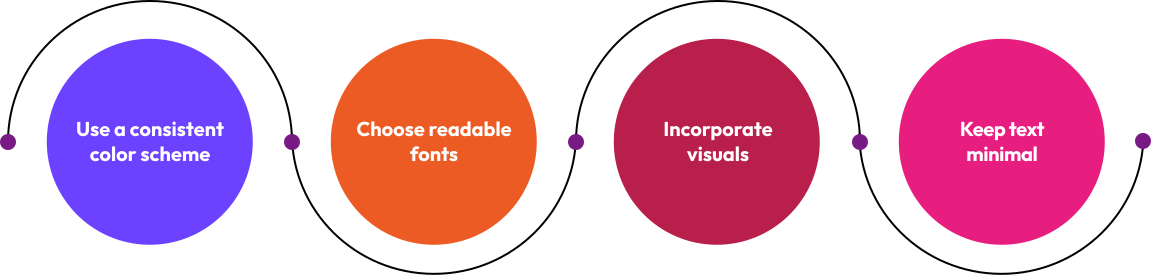
The goal is to make the information easy to digest while maintaining a polished, professional look. Remember, the design of your sales pitch deck is just as important as the content – it sets the tone for the rest of your presentation.
2. Leverage Data and Analytics (But Don’t Overwhelm)
Data is powerful, but too much of it can overwhelm your audience. When you design sales pitch templates, be strategic with how you use data to back up your claims. Your goal is to build credibility without bogging down your audience with too many numbers or complicated charts.
Here’s the most effective way to integrate statistics into your pitch presentation;
-
Use key statistics: Highlight the most relevant statistics that demonstrate the importance of the problem you're solving. For example, “80% of businesses face challenges in X” or “Companies that use our solution increase their revenue by 30%.”
-
Include simple charts: Instead of overwhelming your audience with complex data, use easy-to-read charts or infographics that visualize key information. Bar charts, pie charts, and line graphs are great options for presenting data in a digestible way.
-
Keep it relevant: Only include data that directly supports your argument. Too much data can distract from your main message.
By focusing on key metrics and keeping data presentation simple, you’ll boost your credibility without overwhelming your audience.
3. Personalize Your Sales Pitch Deck Template
While a great sales pitch deck should be structured around universal principles, it’s also essential to customize it for each prospect. This is where personalization comes in.
If you’re presenting to multiple clients or customers, create a flexible sales pitch template that allows for easy customization. This could mean;
-
Tailoring the introduction: Use their name, industry, or recent business challenges to make the opening more relevant to them.
-
Personalizing the problem and solution: Adjust the way you describe the problem and how your solution fits their specific needs. You can mention relevant case studies or data points that apply directly to their business.
-
Customizing the benefits: Emphasize the specific benefits that are most relevant to the prospect. For example, if they’re looking to improve their customer service, highlight how your solution can streamline communication.
By making your sales pitch deck feel tailored to each individual prospect, you’ll demonstrate that you understand their business and are invested in helping them succeed.
4. Include Interactive Elements for Engagement
In an environment saturated with information, concise and impactful communication has become paramount. If you want your sales pitch deck to stand out, consider incorporating interactive elements that keep your audience engaged.
Some ideas for interactive elements include;
-
Live demos: If your product is a software solution, consider doing a live demo to showcase how it works in real-time.
-
Q&A sessions: Allow time for questions and engage your audience in a two-way conversation. This creates a more dynamic presentation and allows you to address concerns immediately.
-
Polls or surveys: If the platform allows, consider incorporating polls or surveys to gather real-time feedback. This not only keeps the audience engaged but also helps you learn more about their needs and preferences.
Interactive elements show that you’re not just delivering a one-way presentation, but rather fostering a conversation with your prospects.
5. Test and Refine Your Sales Pitch Deck
Once you’ve designed your sales pitch deck, it’s time to put it to the test. Don’t just present it and assume it’s perfect – test it with a small group of colleagues or clients first. Get feedback on the flow, the visuals, and the overall message. Please be mindful of the following;
-
Clarity: Is the message easy to follow? Are there any sections that confuse the audience?
-
Engagement: Are your audience members actively engaged, or do they seem distracted?
-
Timing: Is the pitch too long or too short? Ensure your sales pitch deck fits within the time constraints of your presentation.
By testing and refining your deck, you ensure that it resonates with your target audience and maximizes the chances of conversion.
Conclusion:
Designing the perfect sales pitch deck template is an art and a science. It requires careful thought, strategic content, and a deep understanding of your audience. By following the steps above – from understanding your audience to personalizing your presentation – you can create sales pitch decks that not only inform but also inspire action.
Remember, your sales pitch deck is more than just a tool – it’s a bridge between your concept and conversion. So, take the time to design it right, and you’ll see the results in your bottom line. If you are looking for a customized design for sales pitch templates, contact PalPixel now.