
Projects
Useful links
India
Sector 62, Noida Uttar Pradesh - 201301 (INDIA)





Whether you're a seasoned pro or just starting out, sales are the engine that drives business success. While there are countless methods and tools to boost sales, one thing remains constant: the sales pitch. A well-crafted sales pitch can make the difference between a lost opportunity and a closed deal. But creating that perfect pitch isn’t as straightforward as it seems. It requires understanding your audience, crafting a compelling message, and delivering it at the right moment with the right approach. In this step-by-step guide, we'll dive deep into the art of the sales pitch, offering insights that most typical resources don't cover. Elevate your sales game with this expert guide. Discover proven techniques to deliver impactful pitches and drive business growth.
What is a Sales Pitch?
A sales pitch is a strategic communication designed to influence a potential buyer's decision. It’s more than just a scripted monologue—it's a dynamic conversation where you listen to your prospect's needs, address their pain points, and offer a solution that aligns with their goals.
A successful sales pitch does not just aim to “sell”; it aims to establish trust, build rapport, and create a relationship that goes beyond the transaction.
But here’s the thing: a great pitch doesn’t happen by accident. It’s a calculated blend of empathy, strategy, and skill.
Step
1
Master the Art of Audience Persona Development
Before you even think about opening your mouth, the most crucial step in crafting a great sales pitch is understanding your audience. This is something many salespeople overlook, but it's the cornerstone of any successful pitch.
You need to know:
-
Demographics: Age, job title, location, industry, company size.
-
Psychographics: What are their challenges? What keeps them up at night? What are their values, fears, and desires?
-
Pain Points: What challenge does your solution address? Why is it important to them?
-
Buyer Persona: What factors influence their buying choices? Are they risk-averse or adventurous? Do they prefer detailed data or high-level concepts?
Before you even think about opening your mouth, the most crucial step in crafting a great sales pitch is understanding your audience. This is something many salespeople overlook, but it's the cornerstone of any successful pitch.
.jpg)
Understanding your audience isn’t just about knowing who they are—it’s about empathizing with their struggles and understanding how your solution can help them overcome their specific challenges. This empathy is key in tailoring your pitch and making it relevant.
Step
2
Create a Hook That Grabs Attention
In today’s world, attention spans are shorter than ever, so you have very little time to make a first impression. This is why your pitch must start with a hook—a captivating statement or question that immediately draws the listener in.
Think of the hook as a conversation starter. It should capture attention, spark curiosity, and drive action. For example, a marketing software company might begin with:
-
“ Boost your business growth with optimized lead management and marketing automation. Are you ready? ”
-
“ What transformative changes could a 100% sales boost bring to your company? Let's find out. ”
These types of openers immediately present a problem that your audience is likely experiencing and sets the stage for the solution you’re about to offer.
The key is not to go straight into selling. Instead, start with a question, a shocking statistic, or a provocative statement that resonates with your audience’s needs or pain points.
Step
3
Introduce the Problem You’re Solving
Now that you have your audience's attention, address their pain points. This is where many sales pitches go wrong—they skip over the problem and jump right into talking about the product.
But remember: people don’t buy products. They buy solutions to their problems. So, rather than focusing on features, focus on how those features solve the pain points of your prospect.
Let’s say you sell a productivity tool. Rather than stating with, "Our tool has 20 customizable templates," you could say:
-
“ Are you spending more time organizing your tools than completing tasks? Our solution streamlines your workflow by providing a centralized dashboard, allowing you to effortlessly prioritize and complete your tasks on time. ”
This frames the conversation around the prospect's pain, making them more receptive to the solution you're offering.
Step
4
Present Your Solution—But Don’t Overwhelm
Now comes the fun part: presenting your solution. This is where you tell your audience how your product or service addresses the problem they’re facing. However, be cautious—this is where most salespeople falter by overwhelming their audience with too much information or a list of features. Remember, less is often more.
You’ll want to focus on the top three to five key benefits of your solution. These benefits should be directly tied to the pain points your audience faces. For example:
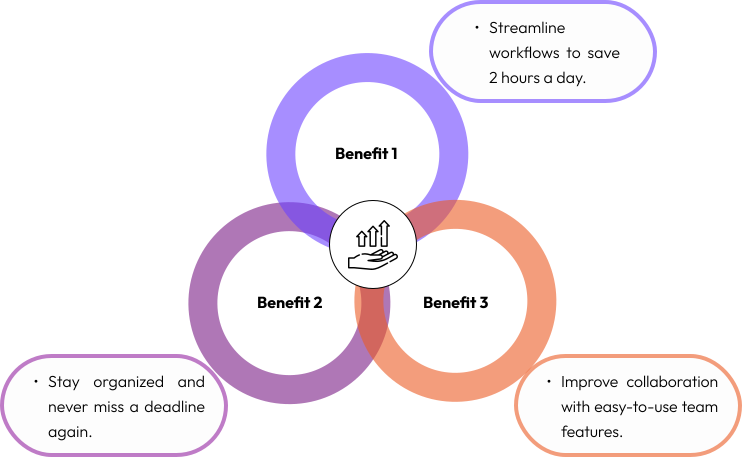
Be concise but compelling. Tailor your language to your readers' understanding. And above all, avoid jargon. Your goal is to clearly show them how your product or service will make their lives easier, not confuse them with technicalities.
Step
5
Tell a Story or Use Testimonials
The human brain is wired for stories. If you want your pitch to stick, incorporate storytelling into your message. But this isn’t just about any story—it’s about telling a story that resonates with your audience and illustrates how your solution has helped others in a similar situation.
For example, you might say:
-
“ One of our clients, a busy marketing manager at a mid-sized tech firm, was struggling with fragmented communication between her team members. After implementing our solution, she was able to centralize all team communication into one place, which improved productivity by 30% in just 3 months. This allowed her to focus on what really matters—strategy and growth. ”
If you don’t have specific case studies, don’t worry. You can also leverage testimonials. Sharing what other customers or clients have experienced can be a powerful social proof that shows your product works.
Step
6
Overcome Objections Before They Arise
A good salesperson knows that objections are a natural part of the buying process. Whether it’s price, timing, or skepticism about the product’s effectiveness, addressing potential concerns before they come up can be a game-changer.
Think about what objections your audience might have to your solution and proactively address them in your pitch. For example, you might say:
-
“ I know the upfront cost might seem high, but when you consider how much time you’ll save and how much more efficient your team will be, the ROI becomes clear. Many of our clients find that they recoup their investment within the first 6 months. ”
This technique not only shows that you’re prepared but also builds credibility and trust with your prospect.
Step
7
Call to Action: Make It Easy to Take the Next Step
Now that you’ve delivered a compelling pitch, you need to end with a clear and actionable next step. This is where many salespeople falter, either by not asking for the sale at all or by asking in a way that feels too aggressive.
A good call to action should be simple and easy for your prospect to say “yes” to. Examples might include:
-
“ Would you be open to a free demo next week? ”
-
“ How about we schedule a follow-up meeting to walk you through the details? ”
-
“ I can send over a proposal that outlines the pricing and scope—when’s a good time for you? ”
Make the next step as frictionless as possible. This should feel like a natural progression from the conversation rather than a hard sell.
Step
8
Handle Objections and Close the Deal
At this point, your prospect might still have some final objections or questions. This is the moment where your active listening and emotional intelligence come into play. Listen carefully, empathize with their concerns, and address them in a thoughtful way.
Once you’ve handled objections and they’re ready to move forward, it’s time to close the deal. Be confident, but not pushy, and always express gratitude for the opportunity to work with them.
Step
9
Follow Up and Stay Engaged
The sales pitch doesn’t end when the meeting is over. Whether the prospect buys or not, following up is essential. If they haven’t made a decision, a polite and professional follow-up email or call can often tip the scales.
Also, if they do decide to buy, make sure to stay engaged. Deliver excellent customer service, offer ongoing support, and keep the relationship alive. A satisfied customer is one of the best salespeople you’ll ever have.
Final Thoughts
Mastering the art of the sales pitch requires more than just following a script. It’s about building a genuine connection, offering value, and understanding the unique needs of each prospect. Every step, from crafting the perfect hook to following up after the sale, is an opportunity to build trust, demonstrate expertise, and move the prospect closer to a decision.
By incorporating the steps above and adding your personal touch, you’ll be well on your way to crafting sales pitches that close deals, foster long-term relationships, and set your business up for success.
Keep practicing, refine your approach based on feedback, and remember: every pitch is a learning opportunity. Whether you win or lose the sale, there’s always something valuable to take away. Happy pitching.